




Why this topic is important for ECET? In industries, electrical wiring is not just about connecting wires – it’s about safety, efficiency, and cost optimization. Knowing how to estimate...

Why this topic is important for ECET Electric traction is a crucial part of Utilization of Electrical Energy, directly linked with railways, metros, and electric vehicles. In ECET 2026...
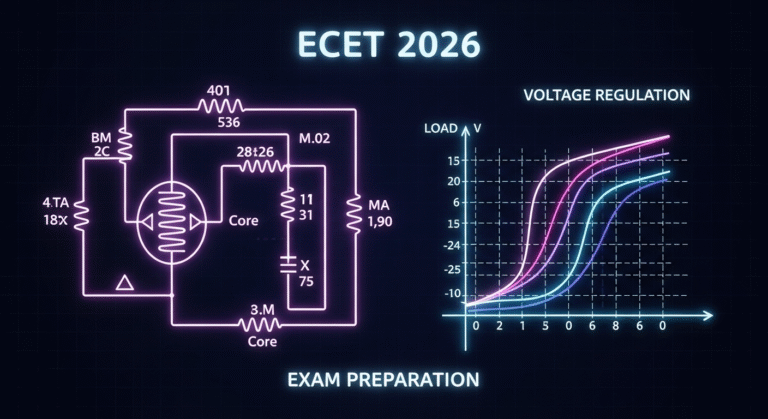
Concept Notes 1. Equivalent Circuit of a Transformer The real transformer has losses and leakage, so we represent it with an equivalent circuit that closely matches practical performance. 👉...
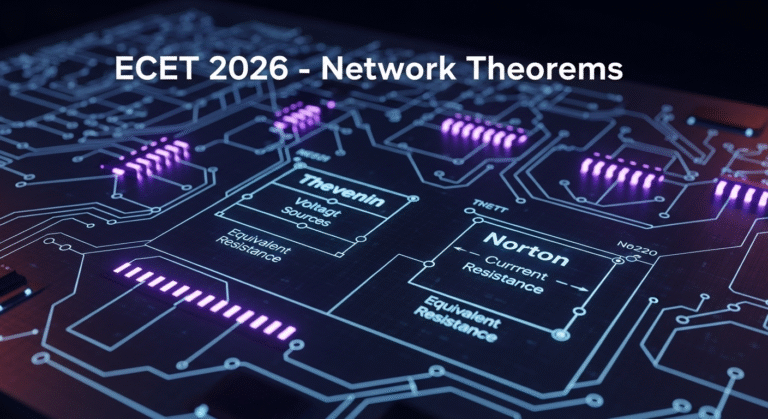
Concept Notes Network theorems are powerful tools to simplify and analyze electrical circuits. 1. Ohm’s Law (Basic Law) 2. Superposition Theorem 3. Thevenin’s Theorem Equivalent Circuit: Voltage source in...
Concept Notes 1. Resonance in AC Circuits Resonance occurs in an AC circuit when the inductive reactance (XL) and capacitive reactance (XC) are equal in magnitude but opposite in...
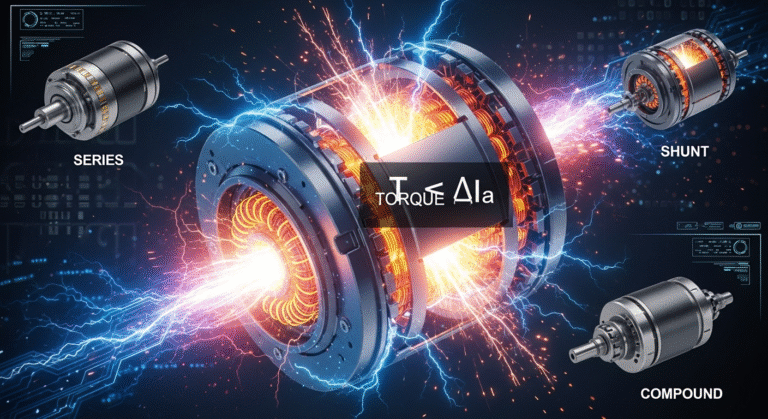
Concept Notes 1. DC Motor Basics A DC motor converts electrical energy into mechanical energy using the principle: When a current-carrying conductor is placed in a magnetic field, it...
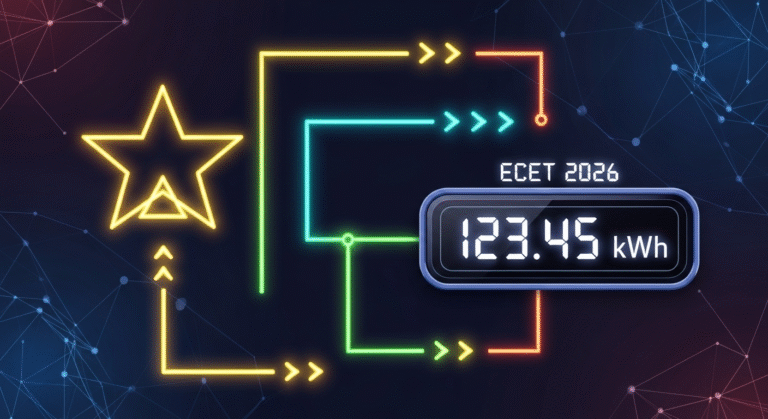
Concept Notes 1. Star (Y) & Delta (Δ) Connections In 3-phase systems, loads can be connected either in Star or Delta. Star (Y) Connection Formulas: Delta (Δ) Connection Formulas:...

Concept Notes 1. Introduction to Logic Gates Digital systems work on binary signals (0 and 1). Logic gates are the basic building blocks of digital circuits. The three basic...
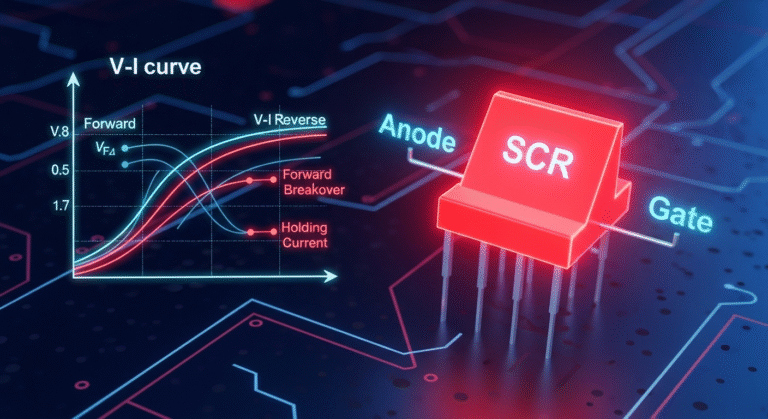
Concept Notes 1. Introduction to SCR SCR behaves like a controlled switch: 2. Modes of Operation 3. V–I Characteristics of SCR 4. Applications of SCR ⚙️ Formulas 🔟 10...
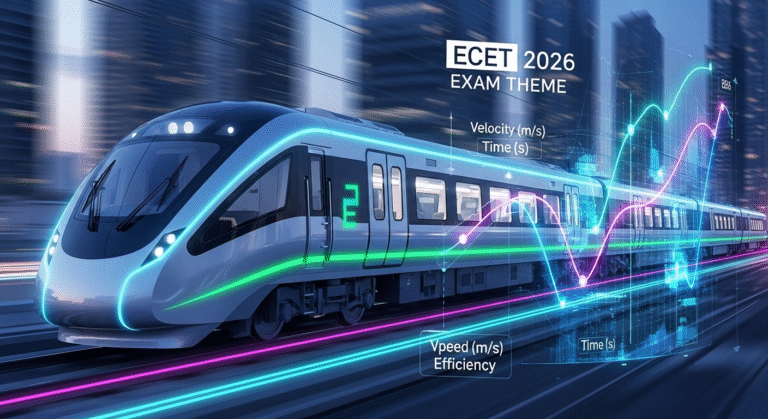
1. Introduction to Electric Traction Electric traction refers to the use of electric power for locomotion of trains, trams, and metros. Performance of a traction system is studied using...